 Türkçe
 English
 Deutsch
 Français
 Español
 Русский
 Български
 العربية


Electronic Circuit Solutions
A device's behavior is shaped as much by the design of the circuit underneath it as by the software running on it. That's why we keep the electronics side in-house.
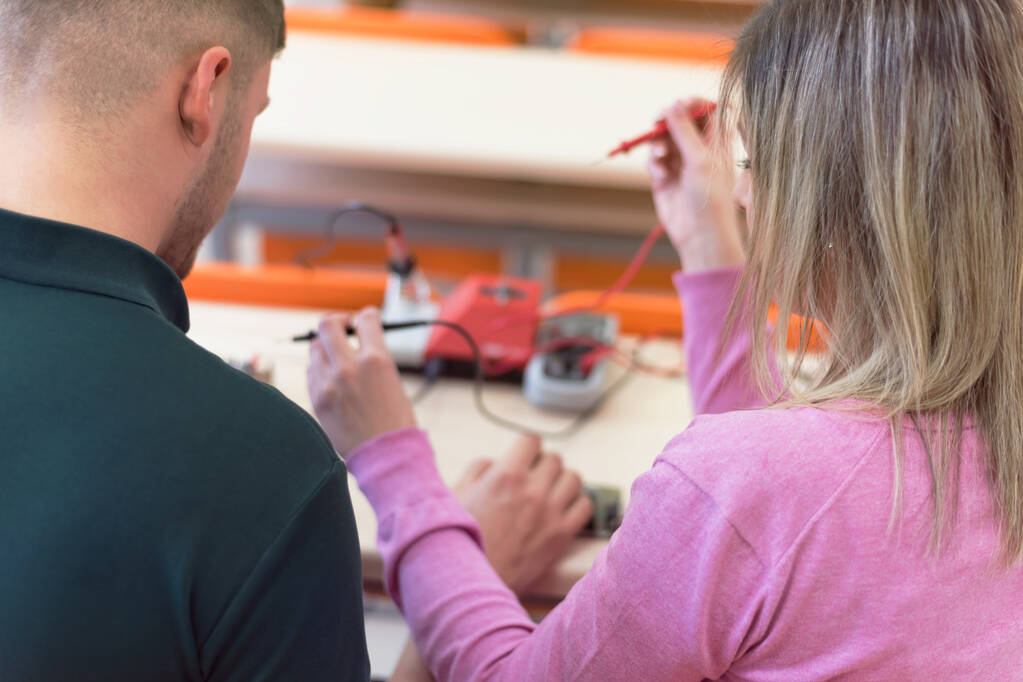
On the electronics side, the cost of an error depends on when it's caught. A poorly chosen component or an inadequately planned power budget gets fixed if it's caught in the prototype. The same error showing up after mass production has started affects every board already made.
That's why we don't choose components on technical specs alone. Whether a part can be sourced, and whether it stays available for the product's whole lifetime, is part of the choice too. A single component going out of production can render a working design unusable.
Our work isn't limited to board design. For a need with no off-the-shelf equivalent, we design the whole device to spec, from its enclosure to screen and peripheral integration. This is how we've built information and meeting terminals, touchscreen kiosks, signage panels, and access systems so far.
Are we the right fit?
If an off-the-shelf module covers the need, designing a custom board only raises the cost. Custom design earns its place where the ready-made solution physically doesn't fit, doesn't perform well enough, or can't be sourced long-term.
Yes, let's talk
- The device has to fit a specific enclosure, panel, or mechanical space
- The power, speed, or environmental limits of off-the-shelf modules aren't enough
- The product will have a long lifetime, and component supply needs to stay under your control
No, someone else does this better
- It's a one-off need, and there's already a device on the market that covers it
- Volume is very low; the design cost stops making sense per unit
- The need can be met by changing only the software side
What we do
- Requirements analysis and power budgeting
- Schematic design
- PCB layout and routing design
- Component selection and supply-availability assessment
- Microcontroller-based embedded software development
- Power management and supply design
- Prototype production and assembly
- Mechanical enclosure and mounting design
- Display, touch, and peripheral integration
- Functional testing and durability measurements
- Field installation and commissioning
- Preparing production files for mass manufacturing
How we proceed
Requirements and budget
We work out what the device needs to do, its operating conditions, and its power budget. The power-supply decision shapes most of the rest of the design.
Schematic design
We draw the circuit schematic and select components. In selection we weigh lead time and long-term availability as heavily as technical specs.
PCB design
We design the layout and routing. We resolve separating power and signal paths, heat distribution, and noise at this stage.
Prototype and embedded software
We have the first boards produced and assembled. We bring up the embedded software together with the hardware.
Testing and revision
We run functional tests and edge-case measurements. We carry the findings into the next board revision.
Production files
We prepare the manufacturing and assembly files, bill of materials, and test procedures needed for mass production.
Our technical choices
- A component that looks ideal on the datasheet isn't the right choice if it takes a long time to source or comes from a single supplier. We prefer parts that have an alternative and can be sourced widely.
- Test points and measurement access are planned into boards from the start. When a fault is chased on a board with no measurement points left, finding it turns into guesswork; that takes longer, and often ends with a perfectly good part getting replaced anyway.
- Hardware and embedded software are developed together. Having software paper over a hardware flaw doesn't solve the problem; since that flaw will exist on every board produced, the cost just gets carried out into the field.
- Every board revision is logged along with the reason for the change. When it isn't known which revision is out in the field, a support request comes in and there's no way to tell which board it's actually about.